What to Know Before Starting an Artificial Turf Installation
I have spent years working with synthetic grass, and one thing I have learned is that a good artificial turf installation depends on far more than just rolling out a green carpet. The difference between a surface that looks fake and one that fools the eye comes down to preparation, materials, and honest workmanship. After watching dozens of jobs go right and a handful go wrong, I want to share what actually matters when you plan your own project.
Why People Choose Artificial Grass
Most homeowners I meet are tired of the constant battle with a real lawn. Water restrictions, brown patches, dogs digging holes, and weekend mowing all push people toward synthetic alternatives. In Cape Town especially, where summers are dry and water is precious, artificial grass offers a reliable green space without the guilt of high consumption. But the decision should not be based on convenience alone. You need to think about how you will use the area, how much sun it gets, and what your long-term expectations are.
A common mistake is treating artificial turf as a one-size-fits-all product. It is not. Different piles, backing types, and infill materials suit different uses. A play area for children needs a softer, shorter pile with good drainage. A putting green for golf practice demands a dense, upright fibre that can hold a tee. A decorative front garden can use a more luxurious, longer blade that mimics kikuyu. Knowing the use case before you buy saves a lot of regret later.
The Groundwork Matters Most
If I had to pick the single most important phase, it would be the base preparation. A synthetic lawn is only as flat and firm as the ground underneath it. I have seen installations where the team skimped on the sub-base, and within six months the surface developed dips, wrinkles, and uneven spots. That is not a product failure; it is a preparation failure.
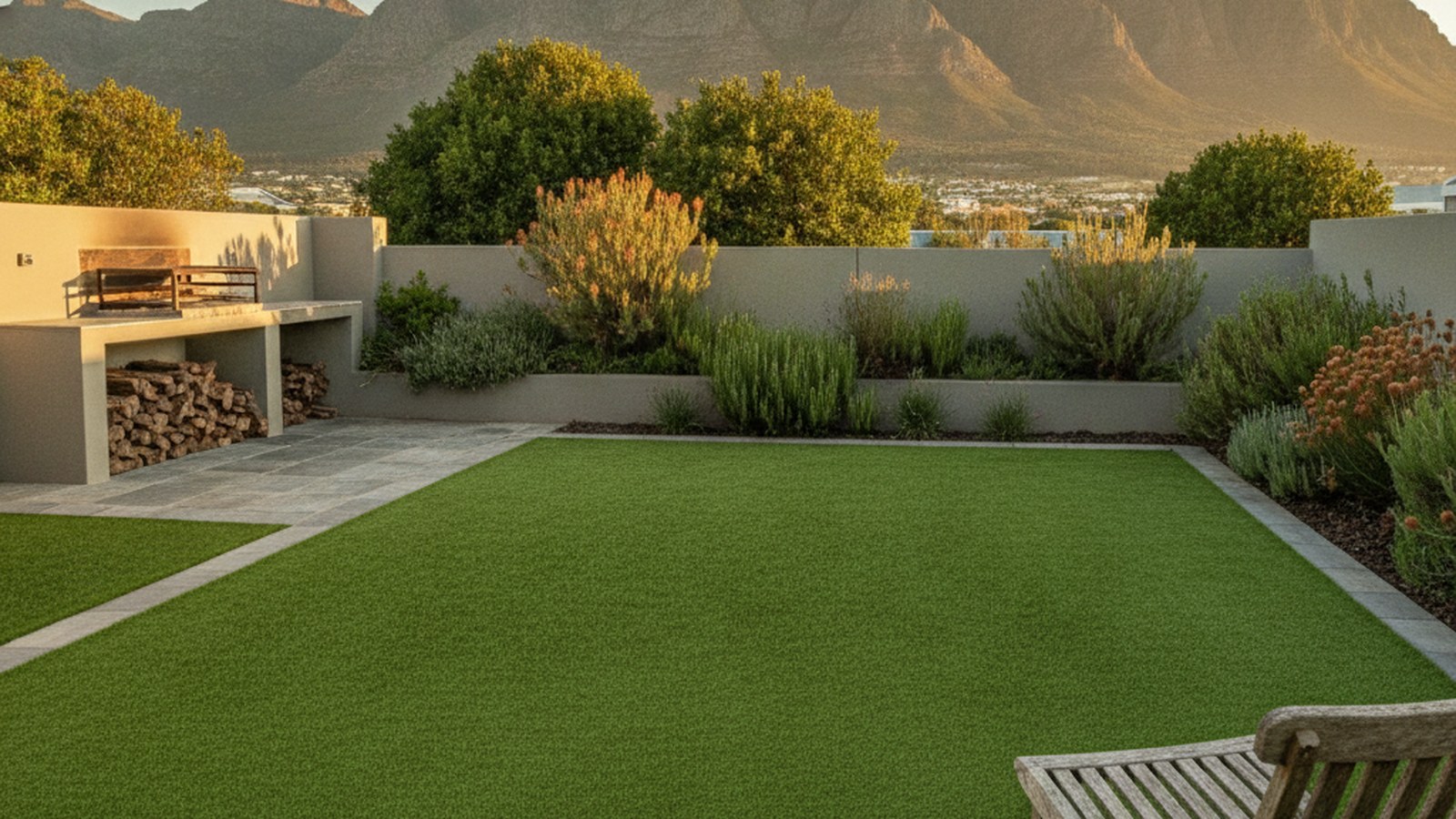
A proper base starts with removing the existing grass and topsoil to a depth of about 100 to 150 millimetres. Then you lay a layer of crushed stone or decomposed granite, compact it thoroughly with a plate compactor, and screed it level. The final surface should feel like a hard, smooth concrete slab. If you can push a finger into it, the compaction is not sufficient. On top of that goes a weed membrane, and only then do you roll out the turf.
Drainage is another critical factor that people overlook. If the base is too compacted or the wrong material, water sits on the surface or pools underneath. That leads to mould, odours, and a spongy feel underfoot. A well-designed base includes a slight slope away from the house and a layer of permeable aggregate. In sandy areas like the Cape Flats, drainage is usually fine, but on clay soils you need to be more careful.
Realistic Expectations About Maintenance
Artificial grass does need some care. It is not zero-maintenance; it is low-maintenance. Leaves and debris should be blown off regularly. If you have pets, you need to rinse the area with a hose to dilute urine and prevent odour. The fibres can flatten in high-traffic areas, so brushing with a stiff broom or a power brush every few months helps keep them upright. And if you live in a dusty area, a light rinse every couple of weeks will keep the colour vibrant.
One detail that surprises many people is that artificial grass can get hot in direct summer sun. Darker greens absorb heat more than lighter ones. If the area gets full afternoon sun, the surface can become uncomfortable for bare feet. Some manufacturers offer cooling infill or reflective coatings, but the most practical solution is to keep the lawn slightly shaded or to use it mainly in the morning and evening. That is a trade-off worth knowing before you commit.
Choosing the Right Installer
I have seen DIY jobs that looked decent for the first few months but developed problems by the end of the first year. The main issues were poor seaming, visible joins, and edges that lifted. Professional installers bring experience, proper tools, and a systematic approach that is hard to replicate with a weekend rental. When I talk to customers about artificialgrassinstallers.co artificial turf installation, I always emphasise that the skill of the team matters as much as the quality of the grass.
A good installer will walk the site, measure properly, and discuss drainage and edging before quoting. They will also explain the warranty terms. Artificial Grass Installers, for example, offers an 8-year guarantee on their work, which gives you peace of mind that the seams will stay tight and the base will remain stable. That kind of backing is rare in the industry and worth asking about from any company you consider.
What to Look for in a Quote
- A detailed breakdown of materials, including the type and weight of the turf.
- A clear description of the sub-base preparation and compaction method.
- Information on drainage, edging, and any extra costs for site access or steep slopes.
- The warranty period and what it covers (seams, lifting, fading).
- References or photos of recent similar jobs in your area.
Do not accept a quote that skips the site visit. A price given over the phone or from a photo is almost always wrong. The installer needs to see the soil type, the drainage, and the access routes to give an accurate estimate. If they refuse to come out, that is a red flag.
Cost versus Value
People often ask me whether artificial grass is worth the upfront cost. My answer is that it depends on how long you plan to stay in the house and how much you value your weekends. A quality installation with a good base will last ten to fifteen years with proper care. If you factor in the cost of water, fertiliser, mower maintenance, and your own labour, synthetic grass can break even within a few years. For commercial properties, the savings are even more dramatic because you eliminate ongoing landscaping contracts.
That said, cheap artificial turf is a false economy. I have seen bargain rolls that faded within a year, shed fibres, and felt like plastic underfoot. The pile weight, UV stabilisation, and backing quality all affect the price. A mid-range product around R159 per square metre, installed, is a sensible starting point. Anything significantly cheaper should raise questions about the materials or the installer's margins.
When you work with a reputable company like Artificial Grass Installers, you are paying for the expertise that prevents expensive mistakes. The phrase artificialgrassinstallers.co artificial turf installation represents a standard of care that includes proper seaming, hidden joins, and a finish that looks natural from every angle. That is the difference between a lawn you are proud of and one you try to hide.
Final Thoughts on Planning
Start your project with a clear idea of the use, the budget, and the time frame. Talk to at least two installers and compare their approaches. Ask to see a completed installation if possible. And remember that the base work is not the place to cut corners. A well-prepared base with good drainage will make your artificial turf installation look good for years. A rushed base will cost you more in the long run.
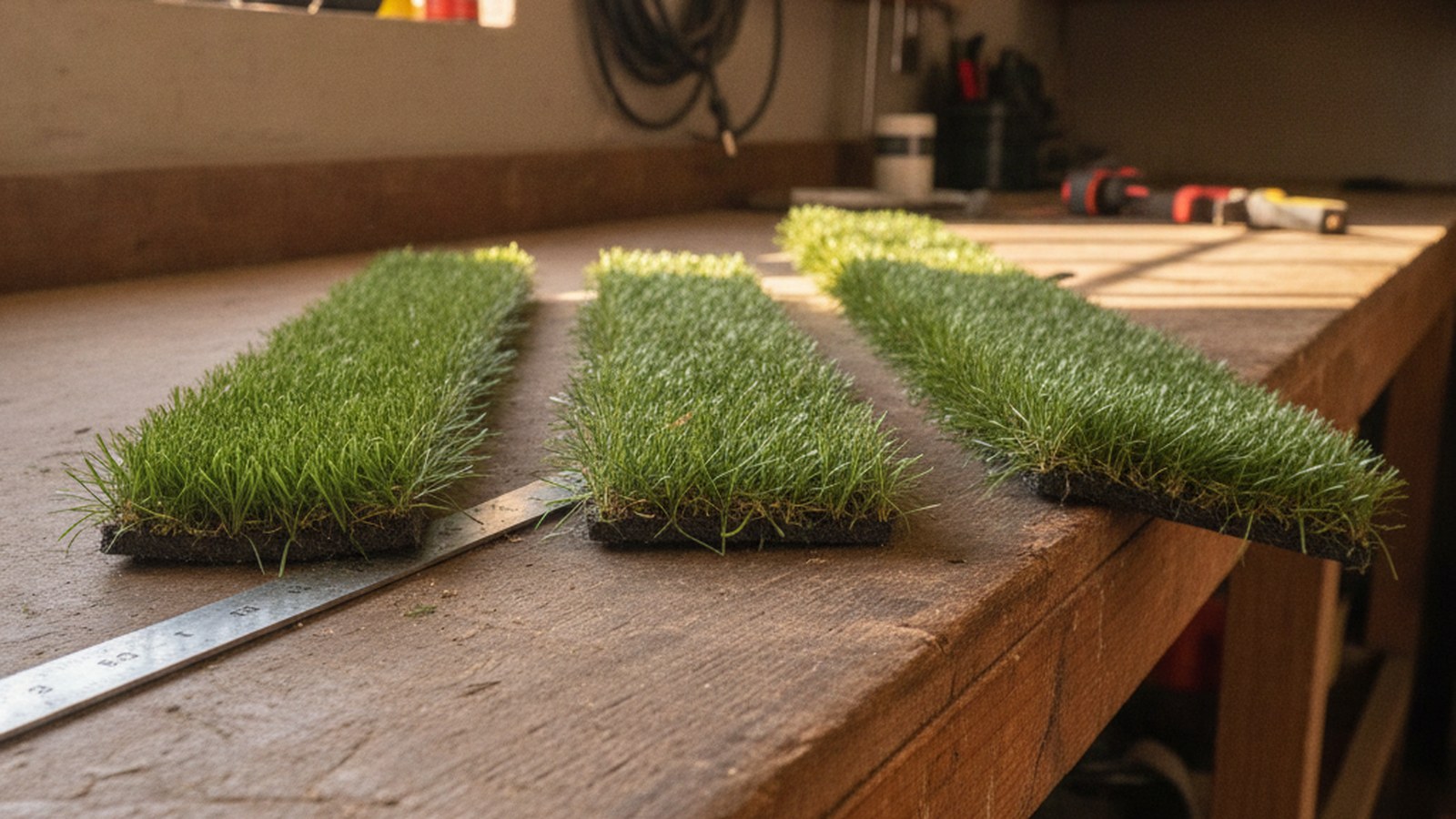
I still remember the first job I did where the client insisted on skipping the weed membrane to save money. Within eight months, weeds were poking through the seams. We had to lift the entire lawn, lay the membrane, and relay it. That cost them nearly double what the original job would have been. That lesson has stuck with me. Do it right the first time, and you will enjoy your artificial grass without headaches.
For anyone considering this step, take the time to research both the product and the installer. The combination of good materials, proper preparation, and skilled labour is what turns a synthetic lawn into a genuine asset. And when you find a team that understands all three, like Artificial Grass Installers does, you can move forward with confidence.